


-
Hours:
M-F: 7:00 a.m. – 5:00 p.m.
Spine Surgery
Spinal Fusion
Spinal Fusion is a surgical procedure used to correct problems with the bones of the spine (or vertebrae). A fusion essentially “welds” or joins two or more vertebrae of your spine together.
During the procedure, your surgeon may place bone or a bone-like material within the space between two spinal vertebrae. Metal plates, screws, and rods may be used to hold the vertebrae together, helping them to heal into one solid unit. Most surgeries can range from 2-8 hours depending on how many levels of your spine are involved.
Spinal fusions are done for various reasons, but are most commonly done to treat:
- Spinal stenosis (narrowing of the spinal canal) causing pain
- Abnormal curvatures of the spine
- Weak or unstable spine
- Injury or fracture to the spine
Types of Fusions
Anterior Cervical Discectomy and Fusion (ACDF)
Your surgeon will remove a herniated or degenerative disc in the neck area of the spine. The incision is made in the front (anterior) of the spine through the throat area. After the disc is removed, a bone graft is inserted to fuse together the bones above and below the disc space.
Lumbar Interbody Fusion
Your surgeon will first remove an intervertebral disc (disc between two connecting vertebrae) of the spine, and in that space, an implant (such as a spacer or cage) is inserted to help maintain normal alignment of the spine. Additionally, a bone graft (real pieces of bone used to stimulate bone growth) or a bone graft substitute (natural or synthetic) will be placed in the space made between neighboring vertebrae to help them fuse together. Your surgeon will choose the best way in which to access your lumbar spine:
Posterior Spinal Fusion (PSF)
Your surgeon makes an incision in the middle of your back (posterior). The spinal surgeon will protect the nerve roots and safely remove the material (bone spur, cysts, etc) pressing on the nerve. After the pressure is relieved from the nerve, a bone graft is placed along the back of the spine, allowing the two vertebrae to grow together as one solid unit (fusion).

Other Spine Surgeries
Laminectomy
Also known as decompression surgery, a laminectomy involves removing the lamina, the back part (or “roof”) of the vertebra that covers your spinal canal. By removing the lamina, the procedure increases the space for your spinal canal and relieves pressure on the spinal cord and/ or nerves. While a Laminectomy is the complete removal of the lamina, a Laminotomy involves only partial removal.
Our Spine Surgery Providers
-
 Jonathan Craighead MDSpecialties
- Orthopaedics & Sports Medicine,
(573) 635-8000View Profile -
 Bret Gerstner PA-CSpecialties
- Orthopaedics & Sports Medicine,
(573) 635-8000View Profile -
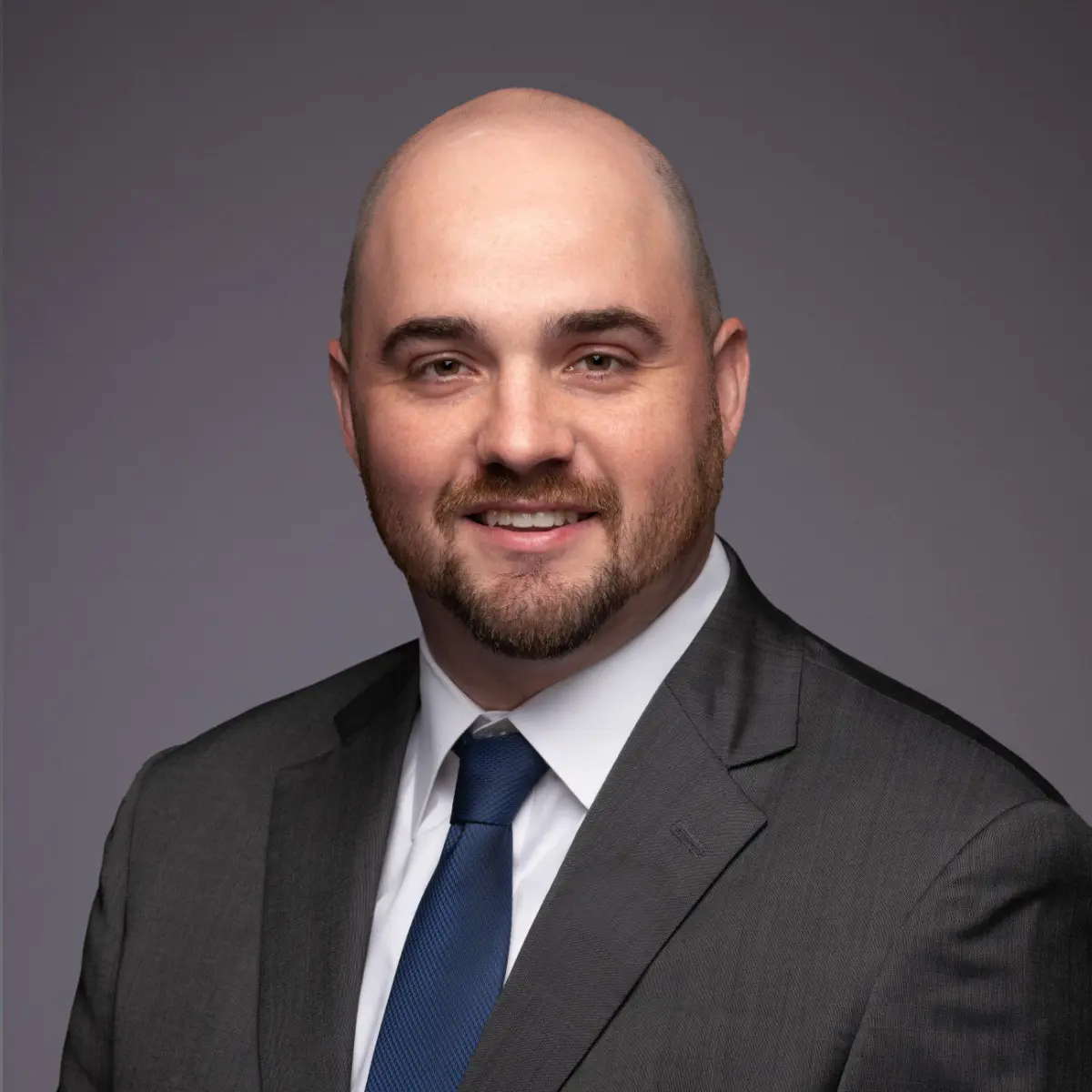 Kevin Middlemist DOSpecialties
- Orthopaedics & Sports Medicine,
- Regenerative Medicine,
(573) 635-8000View Profile -
 Bradley Sloan DOSpecialties
- Family Medicine,
- Orthopaedics & Sports Medicine,
- Regenerative Medicine,
(573) 635-8000View Profile -
 Michael Snyder MDSpecialties
- Orthopaedics & Sports Medicine,
- Regenerative Medicine,
(573) 635-8000View Profile -
 Joyce Wilson MDSpecialties
- Orthopaedics & Sports Medicine,
(573) 635-8000View Profile -
 John Worley MDSpecialties
- Orthopaedics & Sports Medicine,
(573) 635-8000View Profile
Where We Provide Spine Surgery Services
-
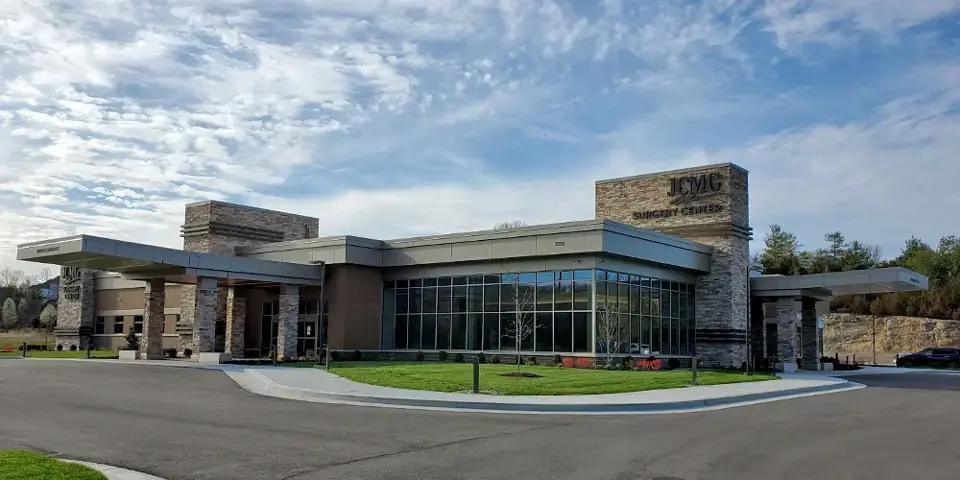 JCMG Surgery Center 3520 West Edgewood Drive
Jefferson City, MO 65109 Map & Directions -
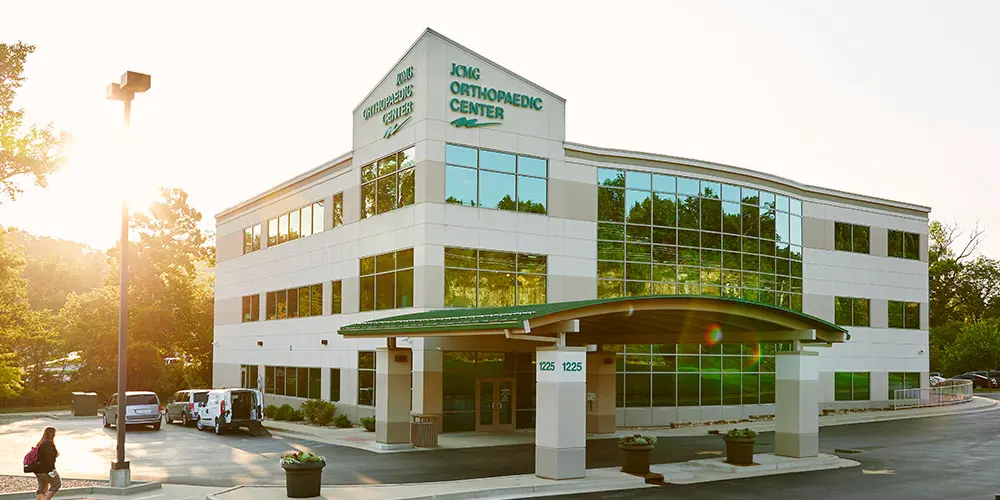
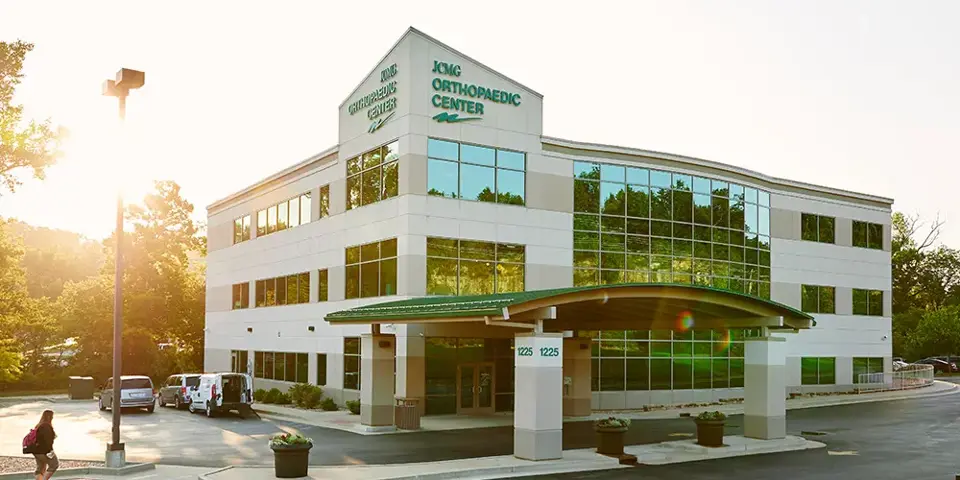 JCMG Orthopaedic Center 1225 West Stadium Blvd
Jefferson City, MO 65109 Map & Directions

with Independent
Healthcare
