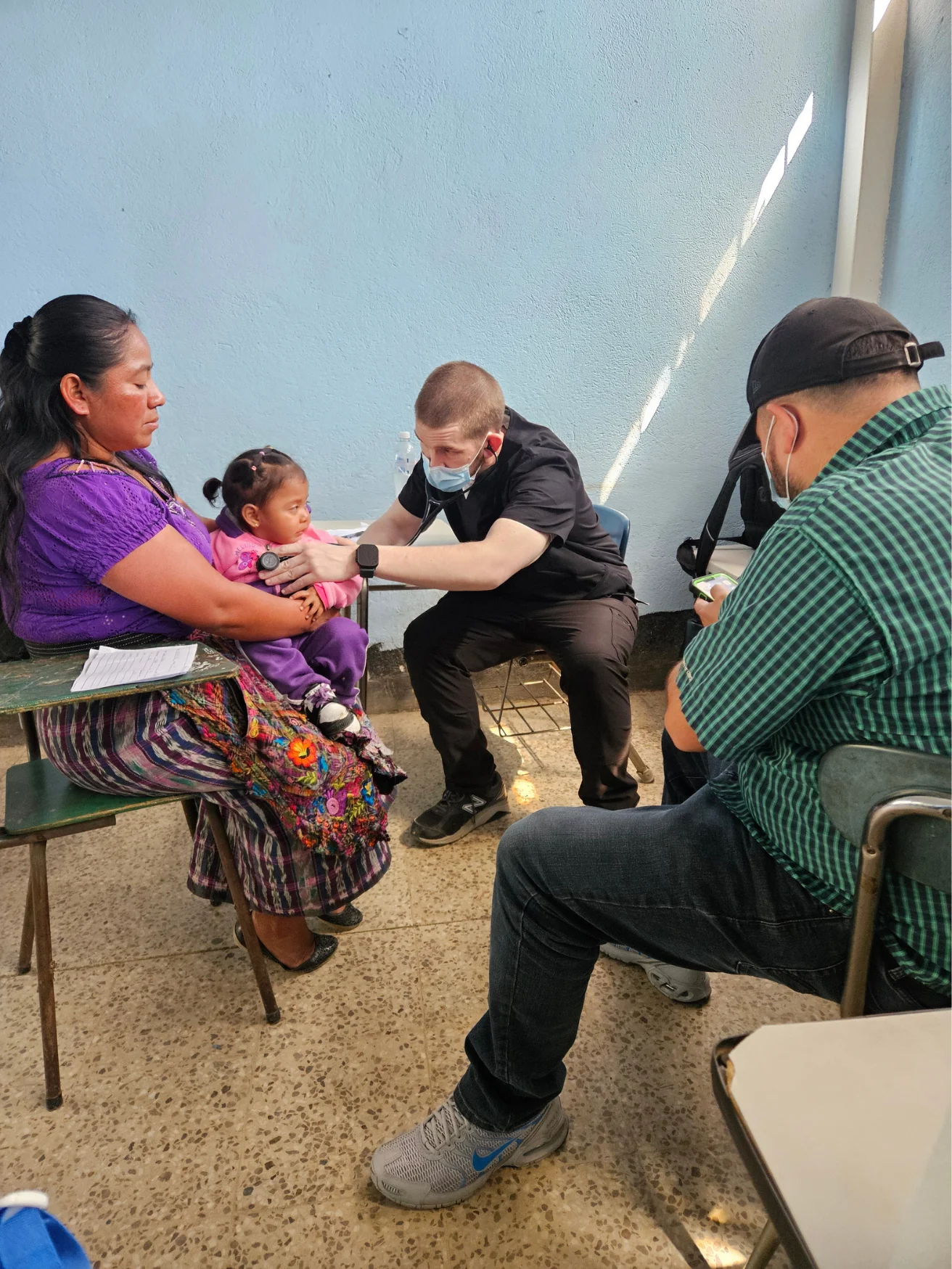

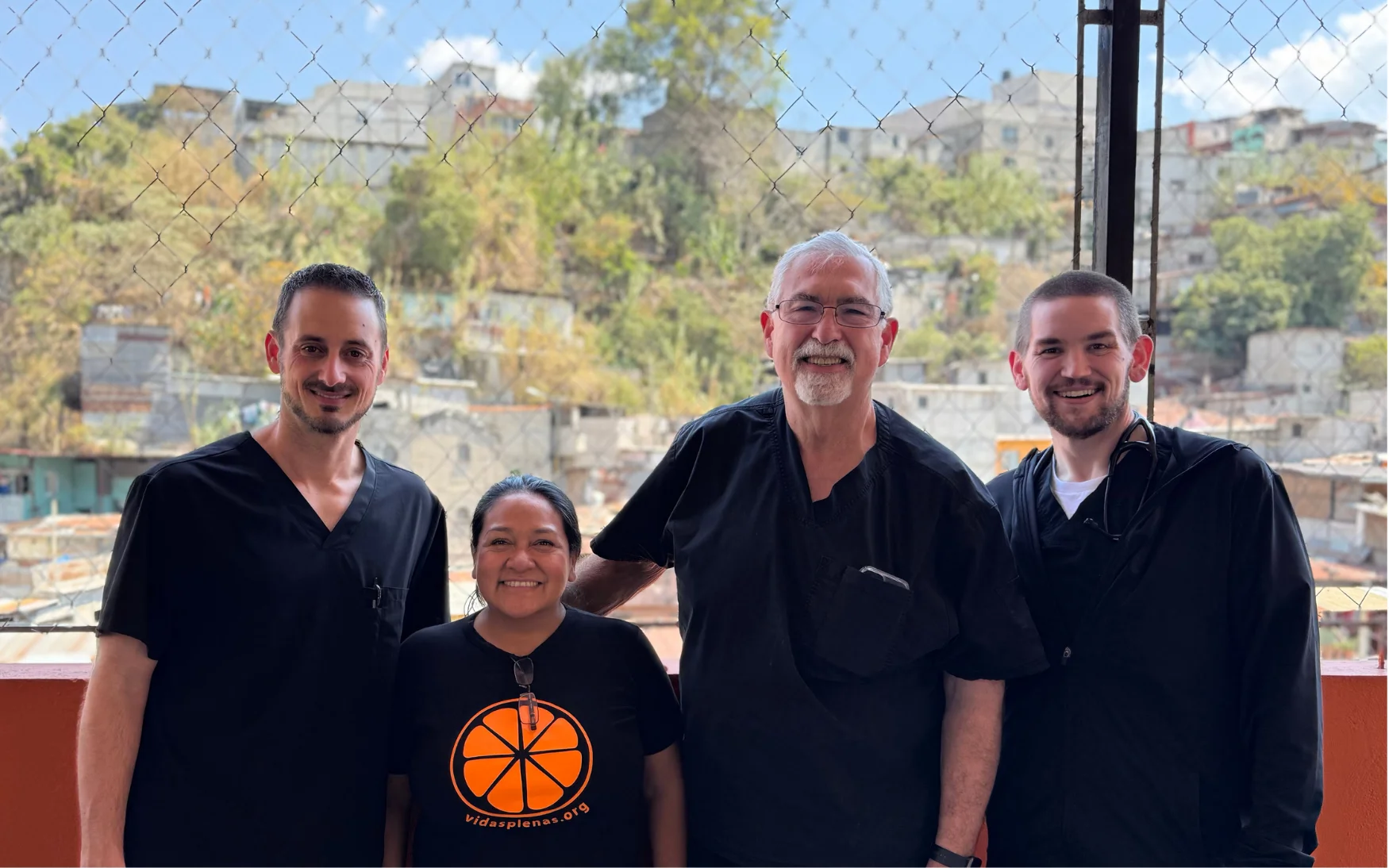
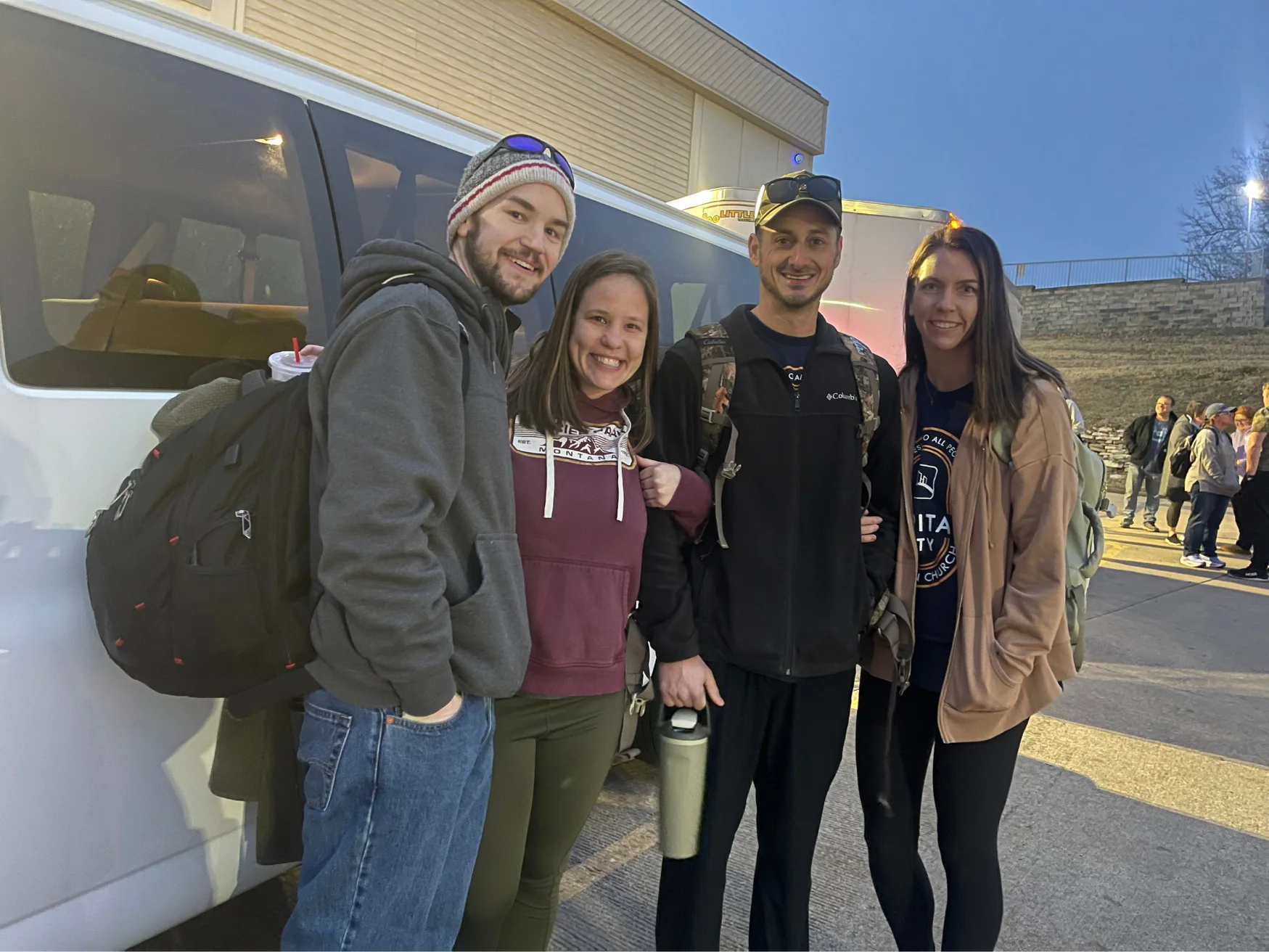
Some trips change how you practice medicine. Others change how you understand people, purpose, and privilege. For JCMG Family Medicine's Dr. Ben Cook and JCMG Nurse Practitioner Taylor Donahue, a medical mission trip to Guatemala did both.
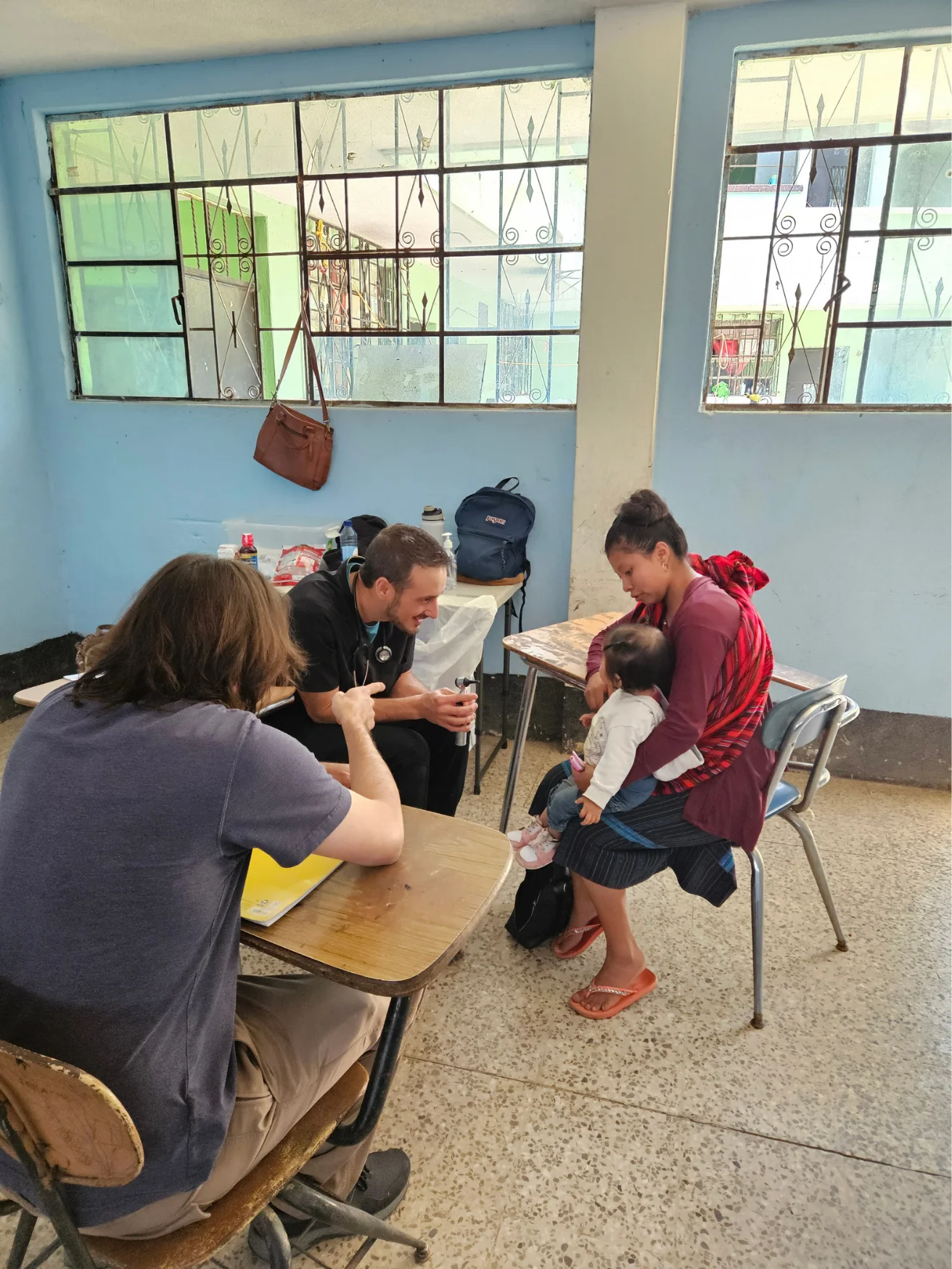
The team, which included fellow JCMG NP Dwight Jones and each of their respective spouses, spent a week serving patients in underserved communities around Guatemala City. The days were long, often stretching to nearly twelve hours of continuous patient care. The work was physically demanding and emotionally challenging, but it left both providers with a renewed perspective on medicine, access to care, and the responsibility that comes with serving others.
More than any single diagnosis or procedure, the trip reinforced a shared belief that meaningful healthcare begins with presence. It starts with listening, showing up fully, and caring for patients with both skill and compassion.
Serving Where the Need Is Greatest
Each day on the trip meant nearly twelve hours of continuous patient care in communities facing profound poverty and limited access to healthcare. The team served four underserved areas in and around Guatemala City, including San Pedro Ayampuc, Limonada, and communities surrounding the Guatemalan city dump, where some families earn as little as one to five dollars a day sorting through trash for items they can sell.
"You don't understand the smells, the cultures, the health concerns," Taylor shared. "We complain about forgetting ice in our water. They don't have clean water."
Many of the patients the team cared for had little to no reliable access to healthcare. Medical histories were often handwritten, laboratory testing could be difficult to obtain, and ongoing treatment for chronic conditions was frequently interrupted by barriers such as transportation, cost, and limited resources.
"Our goal was to provide immediate medical support," Dr. Cook shared, "while also connecting families to longer-term resources when possible."
In communities where basic needs often go unmet, even short-term care can make a meaningful difference. But the team was intentional about working within a framework that emphasized continuity, sustainability, and local partnership.
That continuity is made possible through the Life of Hope Ministry and the leadership of Dr. Layla and her team, who coordinate year-round clinics and follow-up care. Through partnerships with visiting medical teams, they are able to reach more than 10,000 patients each year, creating pathways to ongoing support long after a single clinic day ends.

Gratitude, Resilience, and Faces That Stay with You
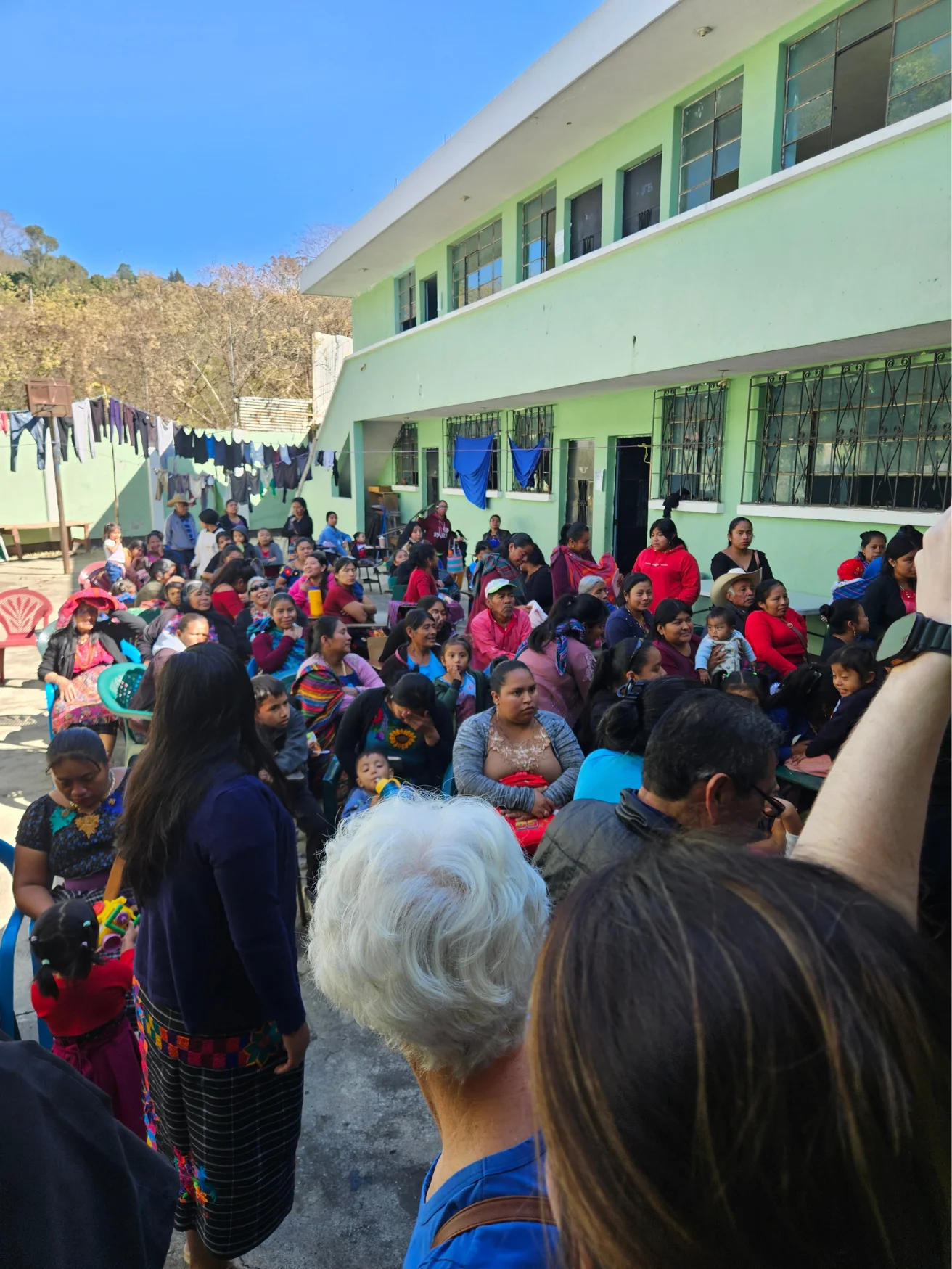
Despite the challenges many patients faced, their demeanor left a lasting impression on the medical team. Waiting rooms were crowded and quiet. Dozens of patients sat shoulder to shoulder, often waiting all day to be seen, yet they did so with remarkable patience.
"They were grateful just to be seen," Taylor said. "Their culture is beautiful. Their respect, their patience, it was humbling."
Dr. Cook was equally struck by the resilience of the communities they served.
"In some areas, families are just trying to survive day to day," he said. "And yet they welcomed us with gratitude and openness."
Many patients appreciated not only the medical care they received, but the opportunity to be fully seen, heard, and cared for. The team's work also extended beyond the clinic, connecting children with sponsorship opportunities that can help provide access to education and create pathways out of poverty.
Throughout the week, a deep sense of dignity, faith, and mutual respect shaped every interaction, leaving a lasting impact on both providers.
Waiting in the Rain
One moment, in particular, captured the heart of the experience.
“We arrived at a clinic and saw patients who had been waiting in the rain for more than three hours,” Dr. Cook recalled. “Many had started their journey as early as 3:00 in the morning for an 8:00 AM clinic.”
The scene underscored the reality of limited access and the extraordinary effort required simply to be seen by a provider. It also reinforced something deeper.
“That moment highlights both the access gap and the responsibility we carry as providers,” he said.
The same determination was evident in the patients the team cared for throughout the week. Several encounters remain etched in Taylor's memory. One was a young boy who had been sick for an entire month before hiking five miles uphill to reach the clinic. His oxygen levels were dangerously low, and he was diagnosed with severe pneumonia.
“Here, he would have been in the emergency room on day two,” Taylor reflected. “There, he just kept going.”
The team saw widespread respiratory illness caused by constant exposure to burning trash, tires, and environmental irritants. They treated advanced heart failure, uncontrolled diabetes, parasitic infections, and chronic disease left untreated for years.
One young woman in her early thirties had end-stage rheumatoid arthritis, her hands permanently deformed.
“This is something we would have treated years ago,” Taylor said. “With early care, her life would look completely different.”
Another moment followed him home. While counseling a patient with diabetes on diet changes, an interpreter hesitated.
“He told me, ‘They don’t have access to that food,’” Taylor said. “You can recommend whatever you want. They can’t get it.”
Seeing Hope in Action
On a day away from clinic duties, the team visited Tebow Down Guatemala, a ministry of the Tim Tebow Foundation that provides comprehensive care, education, and therapies for individuals with Down syndrome and their families. They toured the campus, visited Happy Coffee, and spent time dancing Zumba with children with Down syndrome.
"Seeing the joy, structure, and opportunity those children have, despite significant challenges, was powerful," Dr. Cook said. "It was a reminder of what hope in action really looks like."
In a setting where resources are often limited, the impact of intentional support, community investment, and a belief in every person's potential was unmistakable. The visit offered a glimpse of what is possible when people are given the tools, encouragement, and opportunities to thrive.
The Power of Presence
Clinically, the trip reinforced a truth Dr. Cook carries back into his daily practice: meaningful care does not always depend on advanced resources.
"Even without everything we're accustomed to, you can still provide meaningful care through listening, connection, and compassion," he said. "Being fully present with patients matters just as much as any treatment we provide."
Working alongside local teams and translators deepened that connection.
"My translator, Danny, was incredibly impactful," Dr. Cook shared. "We worked together the entire week. He helped me better understand the culture, the challenges these families face, and even helped me grow in my medical Spanish."
Despite high patient volumes, limited resources, language barriers, and even travel delays caused by volcanic ash, the focus remained on providing both medical care and encouragement in every encounter.
What surprised Dr. Cook most, however, was not the hardship, but the response to it.
"The level of joy, gratitude, and faith in these communities is remarkable," he said. "Even while facing significant challenges, people were eager to help us, support the clinics, and make sure we felt welcome."
A Shift in Practice and Perspective
Returning home proved more difficult than expected. The gratitude patients expressed for even limited access to care stood in stark contrast to the healthcare resources often available in the United States.
"It's going to change how I practice medicine," Taylor said. "Not better or worse, just differently."
The experience was especially meaningful because Taylor's wife was able to join him on the trip. Together, they thought often of their own children while meeting families throughout Guatemala.
"My children gave me all these toys to give to these little kids," Taylor said. "So, every time I'd give a child one of my son's toys or my daughter's toys, it made me tear up. It made me think about them."
For both providers, the trip reinforced how deeply access, education, and resources shape health outcomes. It also reaffirmed the privilege of practicing medicine and the responsibility that comes with it.
"I'm going to practice more with my heart than with my stethoscope," Taylor said. "If I'm putting my heart into it, it's going to be good for the patient."
Dr. Cook was grateful to share the experience with his fiancée, friends, and colleagues, strengthening not only their work but their shared sense of purpose.
Ultimately, the trip served as a reminder that medicine is about more than diagnoses and treatment plans. It's about presence, partnership, and showing up with humility and heart for every patient who places their trust in our care.